It uniquely bridges the gap between a medically indicated functional surgery and a purely aesthetic enhancement. In a healthcare landscape defined by consumer choice, a complex insurance framework, and a vast spectrum of provider qualifications, navigating a blepharoplasty requires informed understanding of distinct market dynamics and regulatory realities.
Understanding the Dual Purpose: Vision and Aesthetics
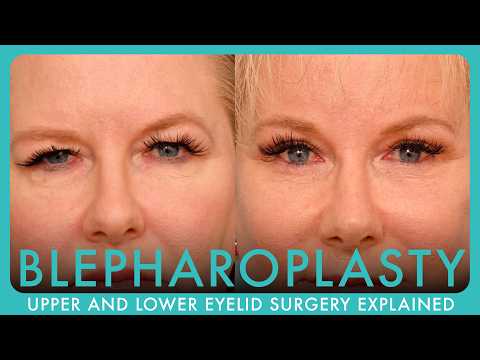
Blepharoplasty addresses issues of the upper and/or lower eyelids. Its objectives are dual in nature:
- Functional (Medically Necessary): Removal of excess skin and fat from the upper eyelids that significantly impairs peripheral vision (a condition called dermatochalasis). This is often covered by health insurance.
- Aesthetic (Cosmetic): Elimination of puffy under-eye bags, reduction of wrinkling, and creation of a more refreshed, alert appearance. This is almost always an out-of-pocket expense.
The procedure is typically performed as an outpatient surgery under local anesthesia with sedation, though general anesthesia may be used for more complex cases or patient preference.
The U.S. Market: A Private-Sector Mosaic with Insurance Nuances
The pathway to eyelid surgery is almost exclusively within the private sector, creating a competitive and varied marketplace.
- The Insurance Divide: This is the primary market differentiator. Coverage for blepharoplasty is strictly contingent on proving functional impairment. Insurers require stringent documentation, including:Visual Field Tests: Quantifiable proof that the visual field is obstructed by at least 30% or more.Photographs: Standardized photos showing the skin resting on the eyelashes.A Letter of Medical Necessity: From the surgeon, correlating the physical exam findings with the functional deficit.Even with approval, coverage is usually limited to the functional component (upper eyelid skin removal); any concurrent cosmetic work (like fat removal from lower lids) is billed separately to the patient.
- A Spectrum of Providers: Patients encounter a wide range of practitioners:Oculoplastic Surgeons: Ophthalmologists with fellowship training in plastic and reconstructive surgery of the eye and periocular area. They are experts in both function and aesthetics of the eyelids and are often best positioned to navigate insurance requirements.Facial Plastic Surgeons: Otolaryngologists (ENTs) with subspecialty training in facial cosmetic surgery.Plastic Surgeons: Surgeons certified by the American Board of Plastic Surgery.Cosmetic Surgeons: A broad and unregulated title; practitioners may come from various medical backgrounds without the same standardized, multi-year surgical residencies and fellowships as the above groups.
Regulatory Realities and the Imperative of Board Certification
The U.S. lacks a federal law restricting who can perform cosmetic surgery. The title “cosmetic surgeon” is not a recognized medical specialty. Therefore, verification of board certification is the single most critical step for patient safety.
- Look for the Right Board: Patients should seek surgeons certified by the American Board of Ophthalmology (with oculoplastic fellowship), the American Board of Facial Plastic and Reconstructive Surgery, or the American Board of Plastic Surgery. These boards are recognized by the American Board of Medical Specialties (ABMS), signifying the highest level of accredited training.
- Facility Accreditation: The surgery should be performed in an accredited facility—an ambulatory surgery center (ASC) or hospital—that meets rigorous safety standards for equipment, staff, and emergency protocols.
Key Considerations for the American Patient
- The Consultation: A comprehensive consultation should include a medical and ophthalmologic history, a vision assessment, a discussion of realistic outcomes, and a transparent fee quote. For potential insurance coverage, the surgeon’s office should have experience in navigating the pre-authorization process.
- Cost Structure and Financing: Costs vary dramatically by region, surgeon expertise, and facility fees. Nationally, cosmetic blepharoplasty can range from $3,000 to $7,000 or more. The quote must be itemized, separating surgeon’s fee, anesthesia fee, and facility fee. Medical credit cards (e.g., CareCredit) and patient financing plans are widely marketed.
- Marketing vs. Medicine: The market is saturated with advertising, from social media influencers to targeted online ads. Patients must differentiate between marketing appeal and medical credentials. “Discount” or “package deal” surgeries may compromise on surgeon experience, anesthesia quality, or facility standards.
- Informed Consent and Managing Expectations: Legally mandated informed consent must detail risks like dry eyes, temporary blurred vision, asymmetry, scarring, and the rare possibility of more serious complications like retrobulbar hematoma. A responsible surgeon will manage expectations, showing computer imaging cautiously and emphasizing that results aim for improvement, not perfection.
- Follow-up and Complication Management: Understand the policy for post-operative visits and who bears the cost if a revision or treatment for a complication is needed.
Conclusion: An Informed Consumer is a Safer Patient
Undergoing blepharoplasty in the American market is as much a consumer transaction as a medical one. The combination of a largely self-pay cosmetic sector, a stringent insurance pathway for functional cases, and a variable landscape of provider qualifications demands proactive patient education.
The cornerstone of a safe and successful outcome lies in prioritizing board-certified surgical expertise in the relevant specialty over convenience, price, or promotional appeal. By thoroughly verifying credentials, understanding the true cost breakdown, and setting realistic expectations, patients can confidently navigate this popular procedure. Ultimately, in a system where choice reigns supreme, the quality of the outcome is directly linked to the quality of the research done beforehand.